
Somebody gets a scholarship letter in the mail, opens it, sees a dollar figure, and figures the hard part’s over. It usually isn’t. So how do scholarships work once the initial excitement wears off? There’s a whole second layer most students never hear about until they’re mid-semester, staring at a bill that didn’t drop the way they expected.
I’ve watched plenty of students treat a scholarship like a single transaction. Apply, win, done. It’s closer to a relationship with conditions attached, some obvious, some buried in paragraph four of an award letter nobody bothers reading twice.
This isn’t a list of scholarships to go chase. It’s the mechanics underneath where the money actually comes from, who decides who gets it, how it reaches your account, and what quietly makes it disappear. Also Read Is ScholarshipOwl Legit? Here’s the Honest Truth
Table of Contents
Where Scholarship Money Actually Comes From
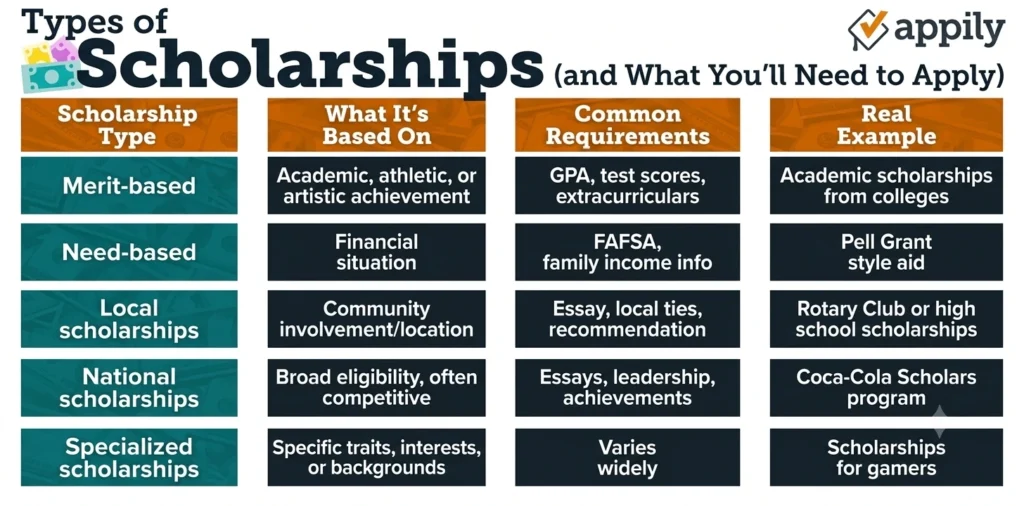
Scholarships aren’t one big shared pot, whatever it might feel like from the outside. They come from a handful of pretty different sources, and figuring out which kind you’re dealing with changes what you should reasonably expect from it.
Colleges hand out a huge chunk themselves, often folded straight into a financial aid package without much explanation. Usually tied to academic performance, sometimes a specific major, occasionally just enrollment numbers a school’s trying to hit that particular year a university short on engineering students might quietly sweeten things for anyone declaring that major, no announcement required.
Then there’s a second tier: private organizations. Companies, foundations, professional associations, even the local Rotary club down the street. Smaller dollar amounts, sure, but nowhere near as competitive, mostly because students rarely bother looking past the big national search databases everyone already knows about.
State governments fund a third bucket, usually need-based or merit-based, tied to residency requirements. And then, smallest group of all but sometimes the most generous individual donors. Families memorializing someone they lost. Alumni quietly giving back through their old school’s foundation, decades after graduating.
Every one of these runs on its own rules. Its own deadlines. Its own logic for who ends up getting picked, which is exactly why two scholarships can look identical on paper and behave completely differently once you’re actually inside the process.
Merit-Based vs Need-Based: The Split That Confuses Everyone
Nearly every scholarship falls into one of two buckets, and mixing them up early is where a lot of the confusion starts.
Merit-based awards go to students clearing some specific bar. GPA, test scores, athletic ability, a talent in music or art, sometimes coming from an underrepresented background in a particular field. Nobody’s looking at your family’s income here a 3.9 GPA student from money qualifies exactly as easily as one who isn’t.
Need-based aid runs differently. Financial data drives it, usually your FAFSA results if you’re in the U.S., which spits out something called your Student Aid Index. Schools and organizations lean on that number to guess roughly what your family can reasonably contribute, then fill whatever gap’s left over.
Plenty of scholarships blend both, and honestly, that’s where things get messy fast. A program might demand a 3.5 GPA minimum but also want your tax return information, meaning you’re competing on two fronts simultaneously — grades on one side, financial circumstance on the other. Also Read Graduate and Professional Scholarship Program

Why This Split Matters for Your Application
Knowing which bucket a scholarship sits in tells you where to actually put your energy. A merit essay should lean hard into achievement, ambition, the specific thing that makes you good at whatever they’re rewarding. A need-based application should be honest about circumstance without turning into a sob story committees can usually tell genuine hardship from performative hardship, and genuine reads better, basically every single time.
How the Money Actually Gets Paid Out
Nobody explains this part clearly, which is exactly where students get blindsided.
Scholarship money almost never lands in a personal bank account first. It goes straight to the school, applied against tuition, fees, sometimes room and board depending on what the award actually covers. If a scholarship covers more than the tuition bill, the leftover a refund, technically — eventually gets sent to the student, usually a few weeks into the semester. Not day one. Rarely even week one.
That timing catches people off guard constantly. Someone expects their scholarship to cover a laptop, or a security deposit, right away, then realizes the refund won’t process for another three weeks. Planning around that lag matters more than most students realize going in, and it’s the kind of thing nobody mentions until you’re the one waiting on a check.
Renewable scholarships add another wrinkle entirely. A four-year award sounds locked in from the outside, but most come with strings attached: maintain a certain GPA, stay enrolled full-time, sometimes rack up a set number of community service hours every year. Slip below the bar for one semester, and the award can shrink or vanish, sometimes with surprisingly little warning depending on how the school handles it.
One-time awards, by contrast, just pay out once — no renewal conversation involved. Renewable ones require hitting the same conditions annually, over and over, for however many years the scholarship’s meant to last. And stackable scholarships can technically combine with other aid, though plenty carry caps that stop your total funding from crossing your actual cost of attendance.
That last part trips people up more than anything else here. Winning three separate scholarships doesn’t necessarily mean triple the money. Schools sometimes trim other aid to keep the total from exceeding what your education costs a policy usually called overaward, and it’s rarely explained until someone asks directly why their refund looked smaller than the math suggested.
What Can Cause You to Lose a Scholarship
Nobody likes thinking about this, but it happens more than people expect, and it’s rarely something dramatic.
A dip below the required GPA is the most common culprit, by far. One rough semester a brutal professor, a personal crisis, a schedule that was too ambitious in hindsight can wipe out funding that felt permanent a year earlier. Dropping below full-time enrollment does something similar, even if it’s just one credit short for a completely legitimate reason.
Some scholarships tie renewal directly to a specific major. Switch out of engineering into something unrelated, and a scholarship built around that old major might vanish right alongside the declaration change. Others quietly require an annual reapplication that students forget entirely, assuming it renews automatically when it actually, genuinely doesn’t.
The fix, mostly, is reading the actual terms of an award letter the day it arrives, instead of skimming it once and shoving it in a drawer somewhere. Financial aid offices will usually spell out exactly what keeps eligibility intact if someone just asks directly and asking early beats scrambling later, once a bill shows up with less coverage than expected. Also Read Are Scholarships Taxable? Here’s What You Need to Know
Conclusion
So — how do scholarships work, at the end of all this? Money moves from a source, a school, a company, a state, occasionally a grieving family, through a process built around merit or need or some blend of both, then lands on your account under conditions that don’t always stay fixed for four straight years. Understanding that structure early saves a lot of confusion. Saves a fair amount of money too, honestly.
Read the award letters carefully, all the way through, not just the number at the top. Know whether the scholarship renews and what it actually takes to keep it that way. And don’t assume a big figure on an acceptance letter means the conversation about paying for school is finished usually, it’s just getting started.
Frequently Asked Questions
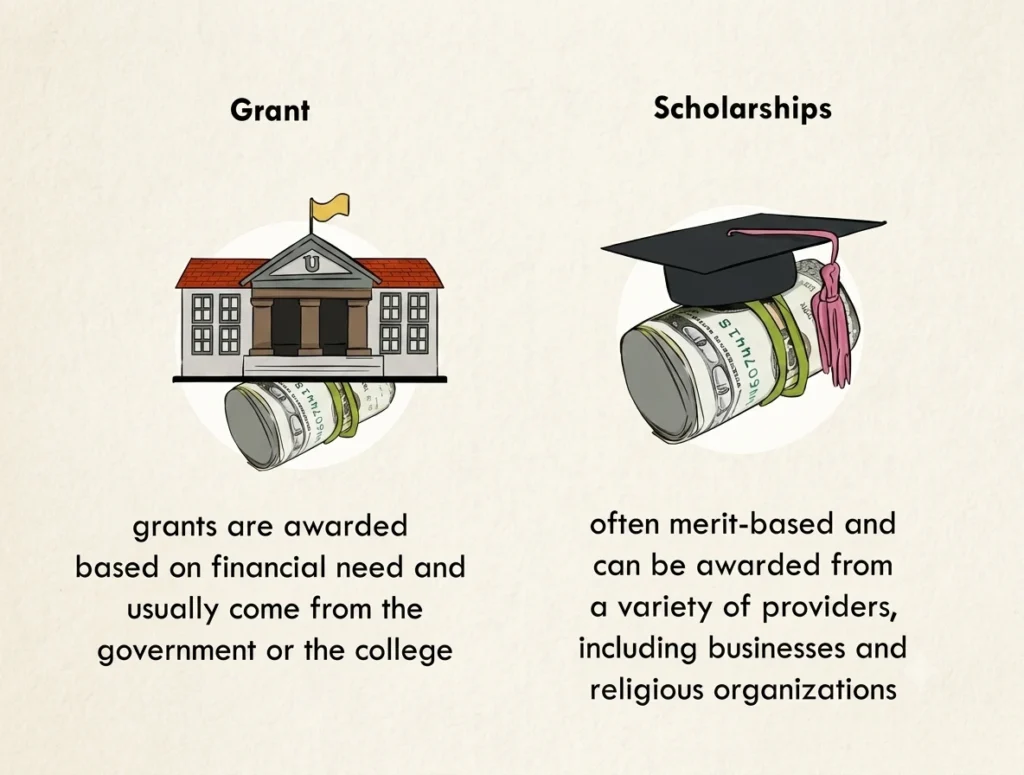
1. Can I lose a scholarship after already accepting it? Yes, and it happens fairly often. Renewable scholarships typically require a minimum GPA, full-time enrollment, and sometimes an annual reapplication. Miss any piece of that and the award can shrink or disappear.
2. Do scholarships count as taxable income? Sometimes. Money going strictly toward tuition, fees, and required course materials is usually tax-free. Amounts covering room, board, or other living costs can be taxable, so it’s worth a conversation with a tax professional if the total’s significant.
3. Can I combine multiple scholarships together? Usually, yes though schools often cap total aid at your full cost of attendance. Cross that line, and the school may quietly reduce other aid, like grants or loans, to balance things back out.
4. Does winning a scholarship affect my financial aid package? It can. Outside scholarships sometimes get factored into your broader aid package, occasionally reducing need-based grants dollar for dollar. Worth checking with your financial aid office before assuming extra scholarship money is pure bonus funding.
5. How long does it usually take to receive scholarship money after winning? Depends on the source, but funds typically apply directly to your student account before the semester starts, or shortly after. Any leftover refund beyond what’s owed to the school usually takes a few more weeks to actually process.